


Benefits of Vertical Awning Windows for Modern buildings
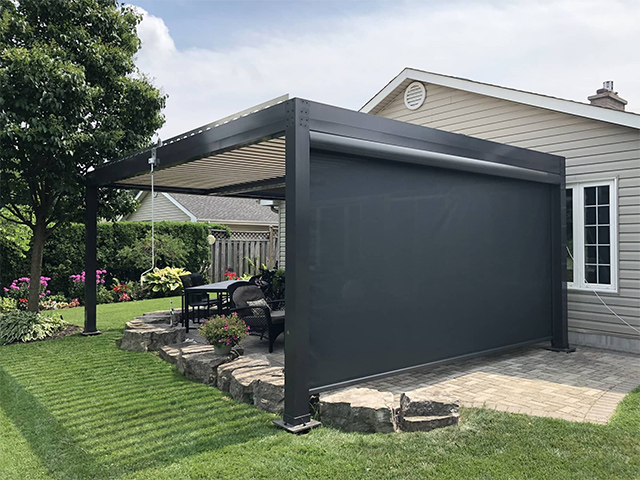
Today’s buildings need to balance natural light, ventilation, privacy, and energy efficiency. Windows are the most critical element in achieving this balance, particularly in Dubai, where intense sunlight and high outdoor temperatures shape building design. Vertical awning windows are a practical way to manage ventilation, and they are easy to maintain while maintaining a streamlined architectural form. When designed to the building’s requirements and used well, they can enhance indoor comfort and make the space more liveable and functional.
What are vertical awning windows?
Vertical awning windows are window systems that open outward, typically with a top-hinged sash. They open the upper frame, allowing air to circulate and providing some protection against light rain, if the design allows.
With their small opening mechanism, they are suited for residential properties, offices, and selected commercial buildings. They can also suit modern architectural styles, with clean frames and clever hardware.
Benefits of vertical awning windows
- Improved ventilation
Effective ventilation moves air into indoor spaces and reduces stuffiness. Vertical awning windows can also provide fresh air when conditions are right. Their opening angle can also improve the room’s flow, and airflow will be directed by wind direction and the building’s layout.
- Better management of natural light
Well-placed windows let daylight into indoor spaces, so you use artificial lighting less often during daylight hours. Combined with appropriate glazing and external shading, they can balance daylight availability with solar heat gain.
- A contemporary architectural finish
The visible vertical profile and practical opening design can complement the modern façades. These windows suit spaces where ventilation is needed while maintaining a visually consistent building. Frame finishes and dimensions can be chosen as per the surrounding architecture.
- Practical use of space
The sash opens outward rather than into the room, so vertical awning windows keep interior space open for furniture and other fittings. But the outward opening should be carefully planned where walkways, balconies, or other structures might block its movement.
How can windows be integrated with external shading?
In Dubai, controlling solar heat gain is just as important as getting sunlight into a building. External shading systems can reduce direct sunlight before it reaches the glazing, keeping people near the windows comfortable.
Zip screen outdoor blinds are one option for terraces, glazed openings, and specific outdoor settings. These systems use guided fabric screens that offer adjustable shading and reduce glare. Depending on the fabric, they can also offer varying levels of visibility and privacy while maintaining a connection with the outdoors.
Vertical awning windows and zip screens are used for different purposes: windows facilitate ventilation, and external screens are used to deal with sunlight and glare. Compatibility depends on installation details, available clearance, and how each system works. Planning helps maintain moving parts and avoid interference.
The right solution for building
When selecting vertical awning windows, consider the building’s orientation and ventilation, glazing performance, frame material, and maintenance needs. In exposed areas, hardware durability and secure installation are key. Specify external shading based on the site’s sunlight exposure and intended use.
Enhance building comfort with Ghaf Tree Awning
Ghaf Tree Awning offers outdoor shading solutions, including Zip screen systems, to enhance the functionality and appearance of residential and commercial spaces. For modern buildings in Dubai, ventilation and solar control can greatly improve everyday comfort and usability.
Comments are closed here.